
The Return of the Gig Flyer Aesthetic
The gig flyer aesthetic is making a comeback as live music culture moves away from polished branding and back toward something more human and immediate.
EDITORIALMUSIC TALK
ANNA DIAZ
5/7/20262 min read


Lately, I noticed that there has been a shift in how live music is being presented again, especially in smaller scenes. The gig flyer aesthetic that once associated with photocopied posters, messy typography, grainy designs and low-quality photos is showing up again in both physical spaces and online promotion.
For a long time, music marketing moved toward clean, uniform visuals. It's obvious when we think that social media grids became carefully curated, so posters were designed to look minimal and professional. The result was consistency, but also a kind of visual sameness across different scenes.
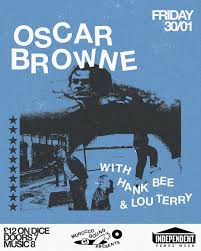
Recently, that has started to change. More artists and promoters are returning to intentionally rough design choices. Flyers with distorted fonts, high-contrast colour blocks, collage-style imagery, and visible imperfections are becoming common again.
Examples of recent indie scene announcements
This shift is partly practical. Independent artists and small venues often work with limited budgets and fast turnaround times, which naturally leads to more DIY design approaches. But there is also a clear aesthetic decision being made. The visual language and appeal of "older" gig culture (particularly from indie scenes and pre-algorithm promotion) is being referenced more and more often.
Online, this has translated into a specific kind of visual identity. Even digital flyers are being made to resemble physical print artefacts, as if they were pulled from walls and reposted. In cities like London and New York, where live music scenes are heavily networked through social media, this style stands out precisely because it breaks from the smoothness of algorithm-friendly design. It feels less like advertising and more like information passed through people.
But there is also an emotional element to it. The gig flyer aesthetic carries associations with earlier music cultures where discovery felt more local and less mediated. It suggests urgency, community. It signals identity as much as it signals information.
Whether this trend continues or evolves into something else is unclear. But for now, the return of the gig flyer aesthetic suggests that the music industry is aching for a move away from polished uniformity and back toward something more immediate, more imperfect, and more human.


LATEST POSTS:
Like discovering new music? Subscribe!
*By subscribing, you agree to receive communications from The Aux.